
Photography exercises
Pentaprisma exercises are designed to train decisions, not to produce random results. Each exercise isolates a specific behaviour, reduces variables and creates conditions where patterns become visible. The goal is not to complete assignments mechanically, but to understand what changes when you adjust position, attention or constraints.
-
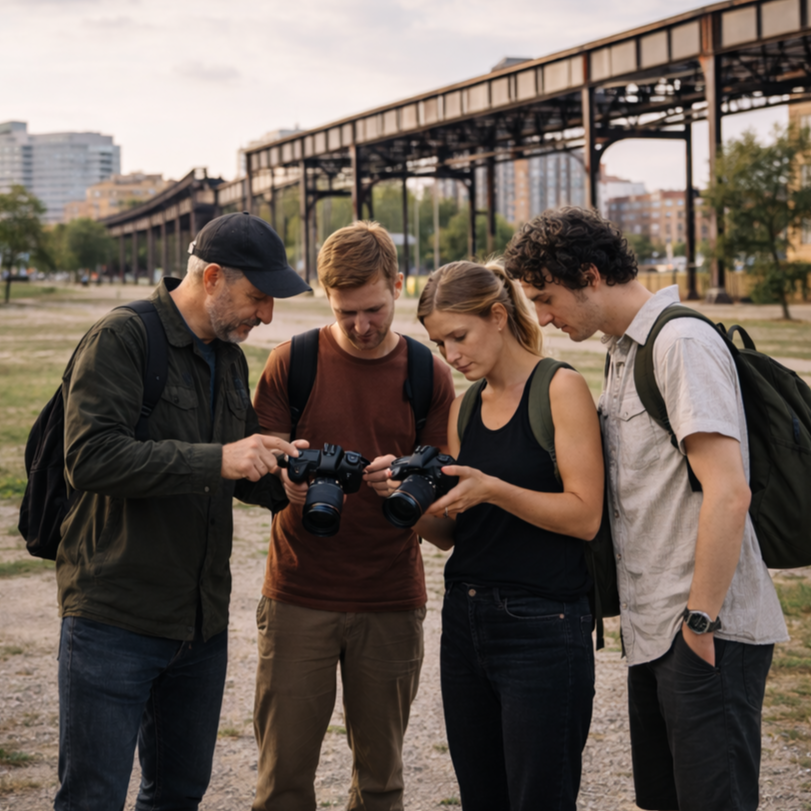
The 5-minute diagnosis. Why your photos don’t work
This exercise is designed to reveal recurring problems quickly. You photograph for five minutes in a confined area without changing location, then review immediately and identify what consistently weakens the image: background interference, unclear subject or unstable framing. The purpose is not to judge the result, but to detect patterns and make the next decision more intentional.
-
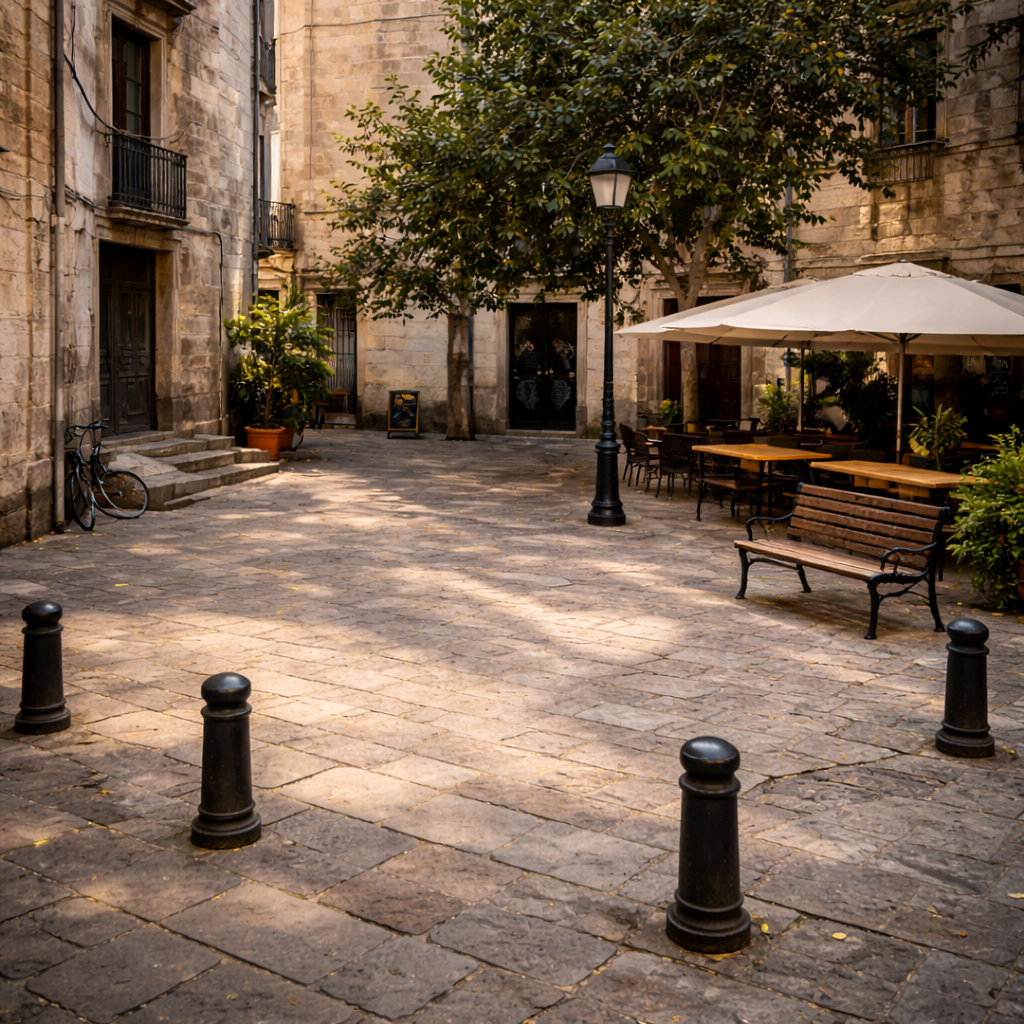
The 100 m² rule. A restriction that unlocks attention
By limiting yourself to a clearly defined small area, you remove the option of escaping to a new scene when something feels difficult. Within those 100 square metres, habits become visible and variation must come from your decisions rather than from changing context. The restriction sharpens observation, strengthens intention and makes progress measurable inside stable conditions.
-
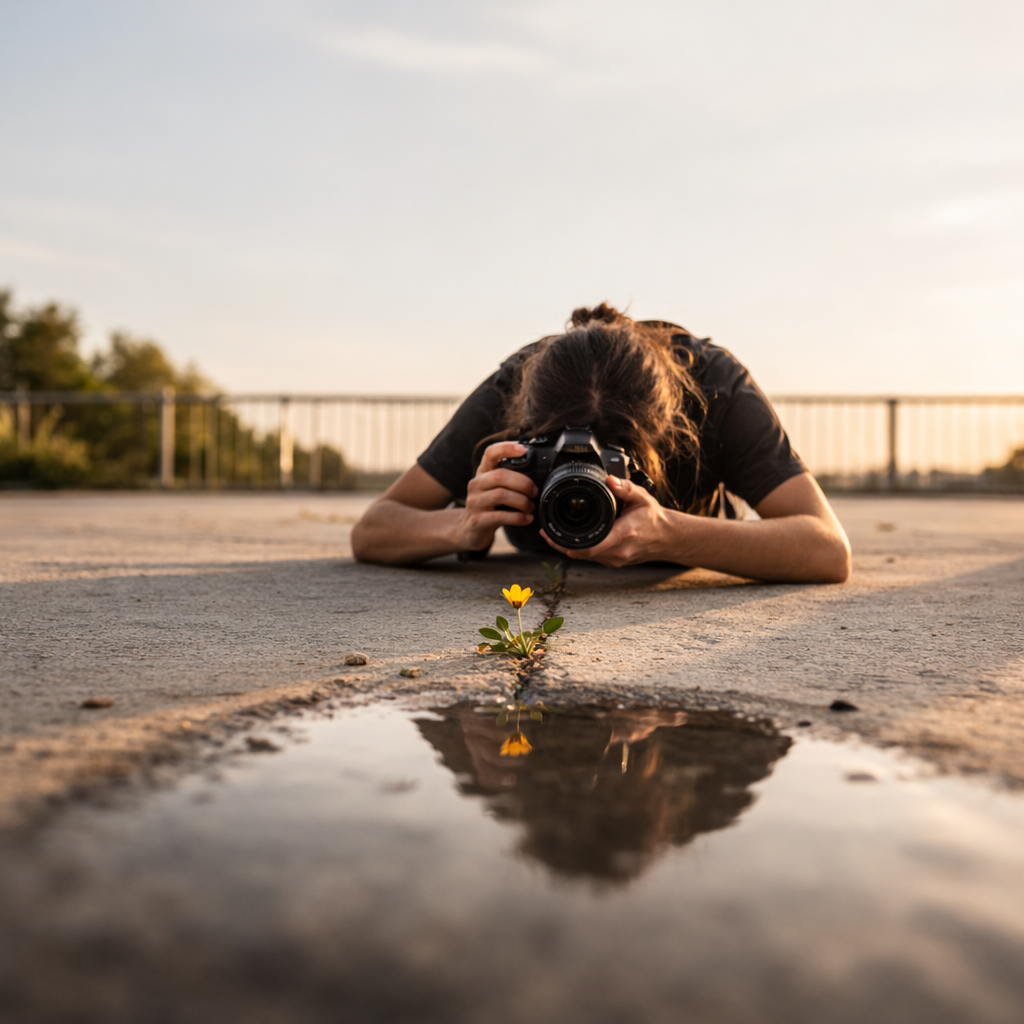
Exhaust a subject. The exercise that teaches more than searching
Instead of constantly looking for new scenes, this exercise asks you to stay with one subject and explore it fully. You photograph it from different distances, angles and moments, analysing what changes and what remains constant. By exhausting a subject, you discover structure and hierarchy, and you learn more from variation than from endless searching.
-
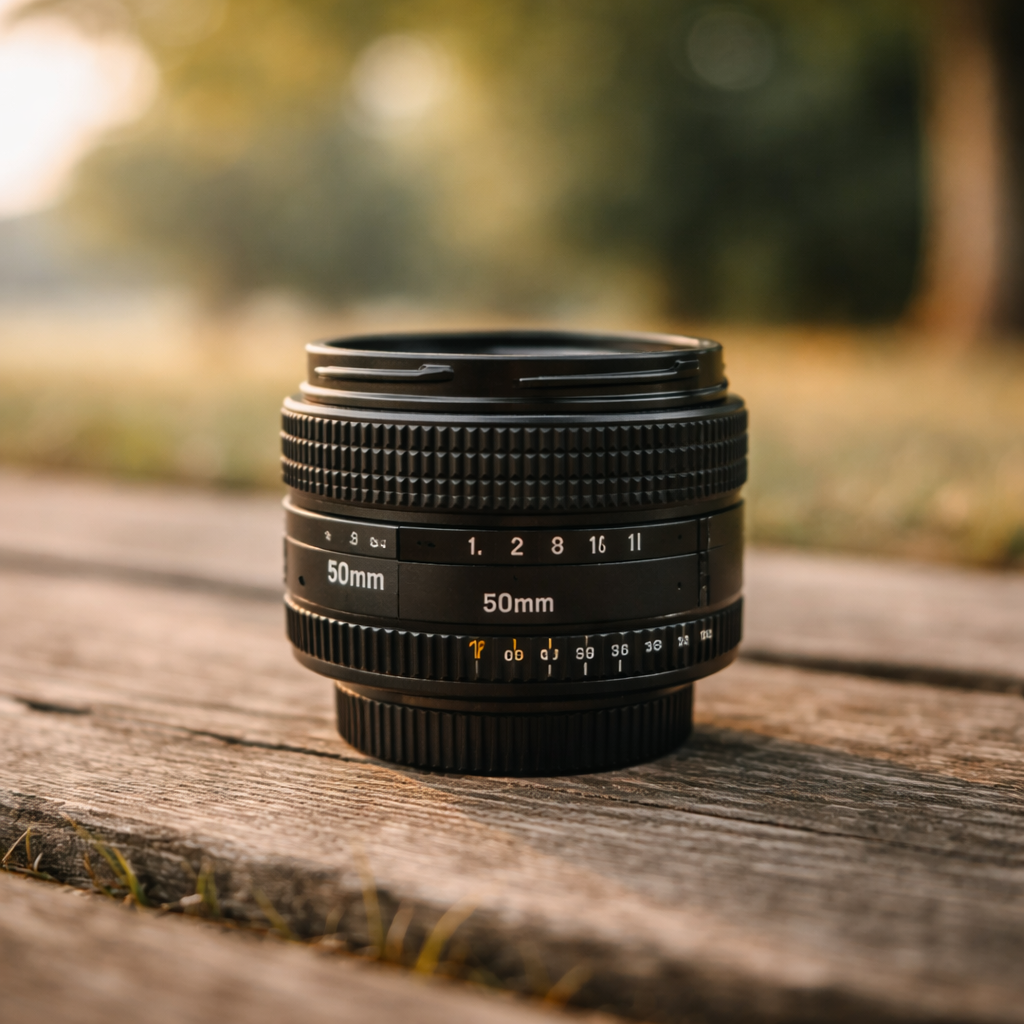
Prime lens vs zoom. A restriction that teaches faster
Using a fixed focal length removes the convenience of reframing by turning a ring and forces you to move physically. That movement changes perspective, background relationships and subject separation. The exercise is not about equipment preference, but about understanding how distance and framing decisions alter the image more than minor technical adjustments.
-
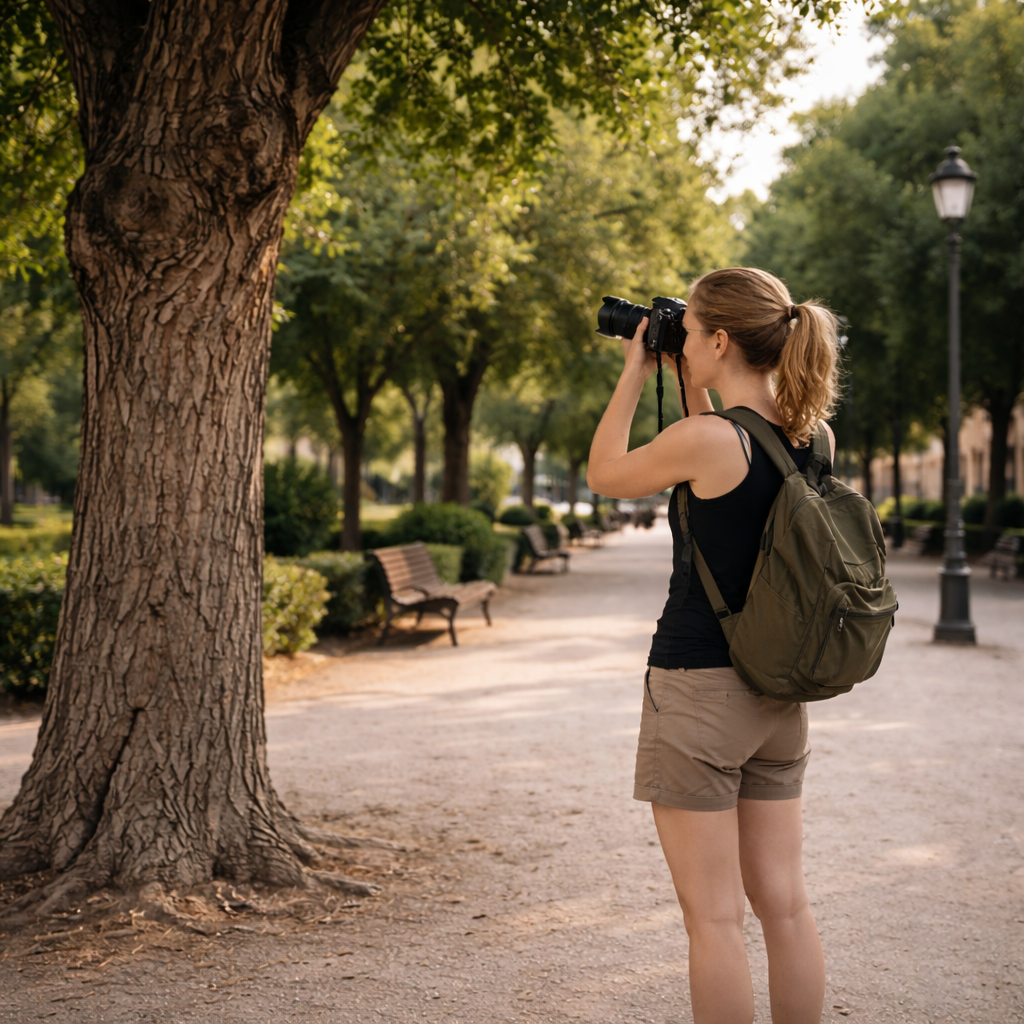
Repetition with intention. Learning from the same subject
Repetition in Pentaprisma is analytical rather than mechanical. Photographing the same subject multiple times with small adjustments reveals structure and clarifies hierarchy. Each iteration becomes a comparison point for the next one, allowing you to see progress in decisions rather than hoping for a single successful shot.
Frequently Asked Questions
-
No. Any camera that allows basic control is sufficient. The focus is on decisions, not gear.
-
No. Each exercise works independently, although combining them strengthens awareness.
-
Short sessions with one clear constraint are more effective than long, unfocused outings.
-
Yes. The exercises are designed for independent practice, although correction in real time accelerates clarity.
How exercises connect to the method
Exercises are not separate from the method. They are the operational side of it. While the method defines structure and rhythm, exercises create concrete situations where decisions become visible and adjustable. Practising them independently builds awareness, but guided correction during a workshop makes the learning cycle more precise and efficient.
One-to-one session
A focused 3-hour private session to correct recurring patterns and clarify specific doubts. Direct, compact and precise.
One-to-one intensive
A full-day private workshop designed to build solid foundations through continuous cycles of practise and review. Deeper immersion, measurable change.
Small group workshop
A full-day intensive in a small group (maximum 6 participants). The same method applied collectively, with individual correction and shared analysis.