
Light in photography: what turns a good image into a complete one
Sometimes the difference between a good photograph and a complete one is not what is in the frame, but how it is illuminated. Light can reveal, conceal or transform what you see. Here, we show how we approach it at Pentaprisma, using it to shape the image from within.

A photograph can be correct and still feel incomplete
It is not unusual to take a photograph that seems to work and yet feels somehow unfinished.
The exposure is right, the framing is intentional, and the subject is clear enough to understand what is happening. Nothing appears to be wrong, and still the image does not quite hold your attention. It feels resolved on the surface, but it does not stay.
This is something we see very often when working with participants during our workshops. The photograph works, but there is a gap that is not always easy to define at first, because it does not usually come from a technical mistake or an obvious compositional issue.
More often, it has to do with how the image feels once everything is already in place. And that is where light begins to matter in a different way, not as a requirement for the photograph to exist, but as the layer that can turn something correct into something that actually resonates.
Light is where a photograph begins to acquire character
If photography is often described as “drawing with light”, it is not simply because light makes things visible, but because it determines how they appear.
The same subject can feel flat or dimensional, distant or immediate, depending on how light defines it. It can emphasise certain aspects while softening others, or it can reduce a scene to something more essential, removing what seemed important a moment before.
These differences are not secondary. They are part of what gives a photograph its character, and once you begin to notice them, it becomes difficult to think of light as something that comes after composition or technique. It is already shaping the image from the moment you begin to look at the scene.
Not every photograph should explain everything
There is a tendency, especially when learning, to try to make photographs that are clear and complete, as if showing more automatically made them better.
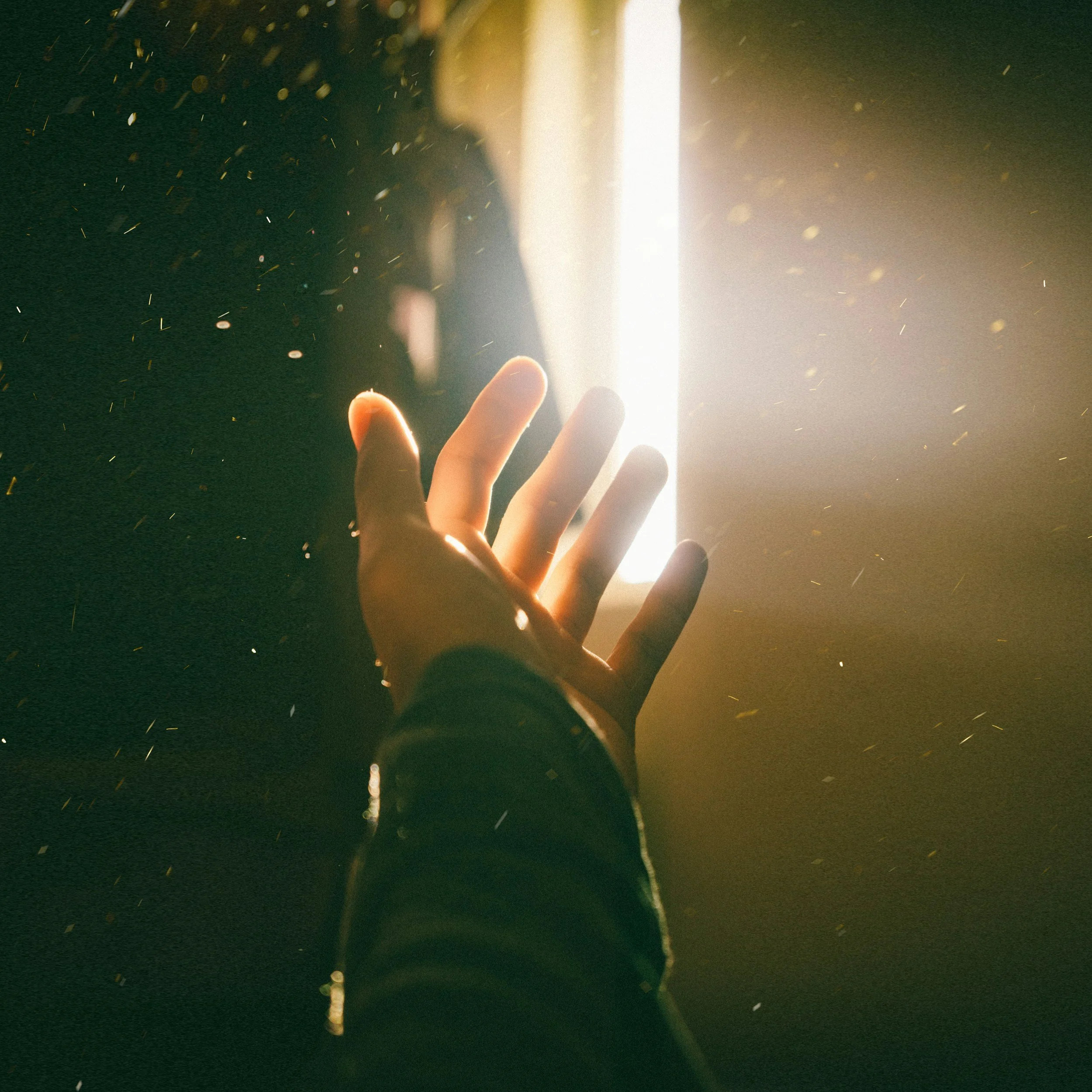
But many images become more interesting when they do not explain everything they contain.
In our workshops, this is often one of the first shifts we explore. Instead of presenting the scene in full, the photograph can leave certain areas unresolved, allowing space for interpretation. What is not fully visible begins to play a role alongside what is, and the image moves away from explanation towards suggestion.
Light plays a central role in this. By deciding what remains visible and what does not, it allows you to reduce information without weakening the image. In many cases, that reduction is precisely what gives the photograph its strength.
Light can be used to suggest more than it reveals
Working in this direction does not require anything artificial. It often comes from recognising situations where light is already doing part of that work.
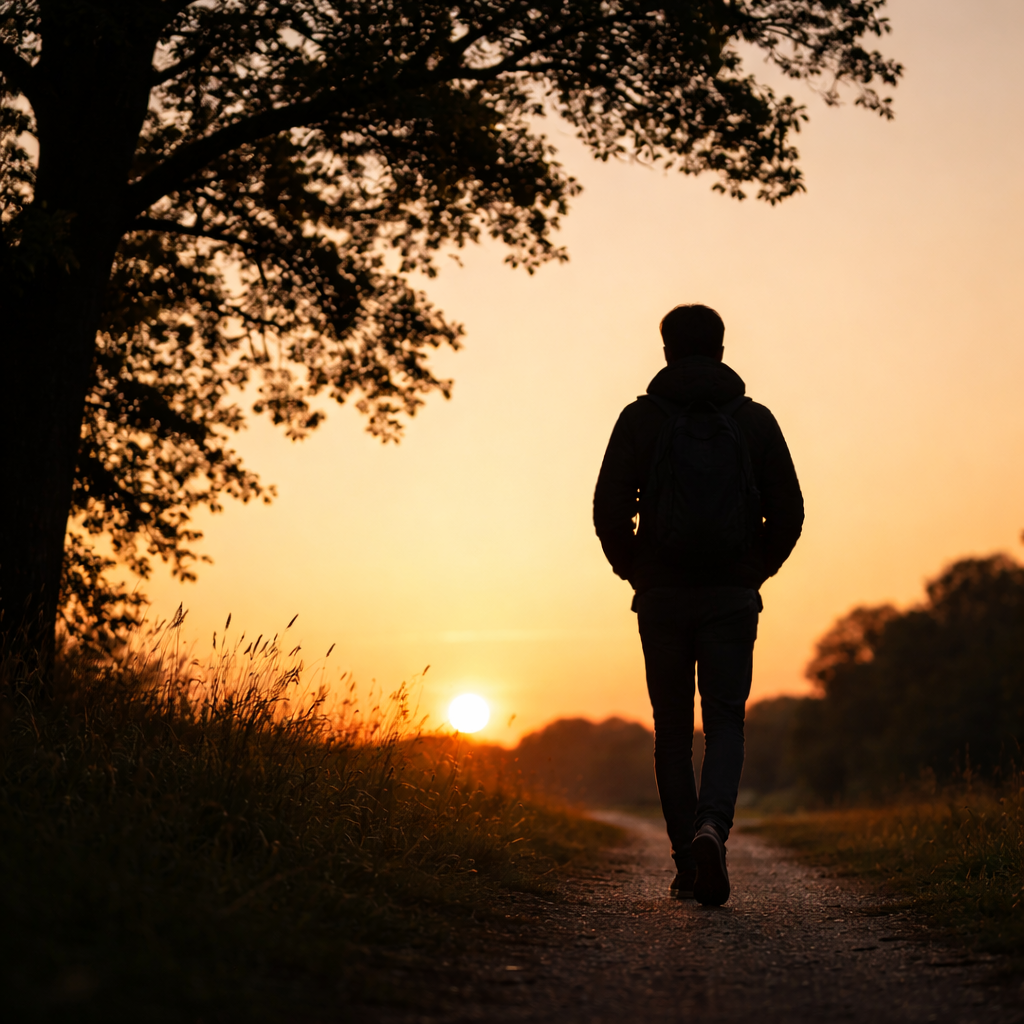
Backlight, for instance, can turn a subject into a silhouette or reduce it to its outline, allowing gesture and form to take precedence over detail. Strong shadows can break a scene into fragments, leaving only certain parts clearly visible. Uneven light can introduce ambiguity, shifting the image away from a purely descriptive reading.
These are situations we actively look for when working on location, not because they produce a specific effect, but because they open up different ways of approaching the image. What matters is not so much how much is shown, but how deliberately that choice has been made.
The same subject can lead to very different photographs
Once you begin to pay attention to light in this way, it becomes difficult to think of a subject as something fixed.
What you are photographing may not change, but how it appears can vary significantly depending on how light interacts with it. A face lit from the front can feel direct and descriptive, while the same face lit from the side introduces volume and a certain tension. Light coming from behind can simplify the image even further, reducing it to shape and contrast.
Something similar happens with the quality of light. Softer light tends to unify the scene and reduce contrast, while harder light creates sharper transitions and more defined structures. Neither is inherently better, but each leads to a different kind of photograph.
These variations are not technical adjustments in isolation. They are part of how you decide what kind of image you are making, even when the subject remains the same.
Light is not only visibility, but atmosphere
As these differences become more noticeable, another layer begins to emerge.
Light does not only determine what can be seen; it also shapes how the photograph feels. A scene can appear quiet or tense, open or enclosed, depending on how light spreads across it, how intense it is, or how it interacts with colour.
Warmer tones can introduce a sense of familiarity or calm, while cooler ones can create distance. A dimly lit scene may feel more introspective, while a brighter one may feel more direct. None of these effects need to be exaggerated to be present; they often operate subtly, but they still influence how the image is perceived.
In that sense, light becomes part of the language of the photograph, not just a condition that makes it possible.
Learning to notice light changes how you approach a scene
This way of working does not depend on memorising types of light or applying them in a predefined way.
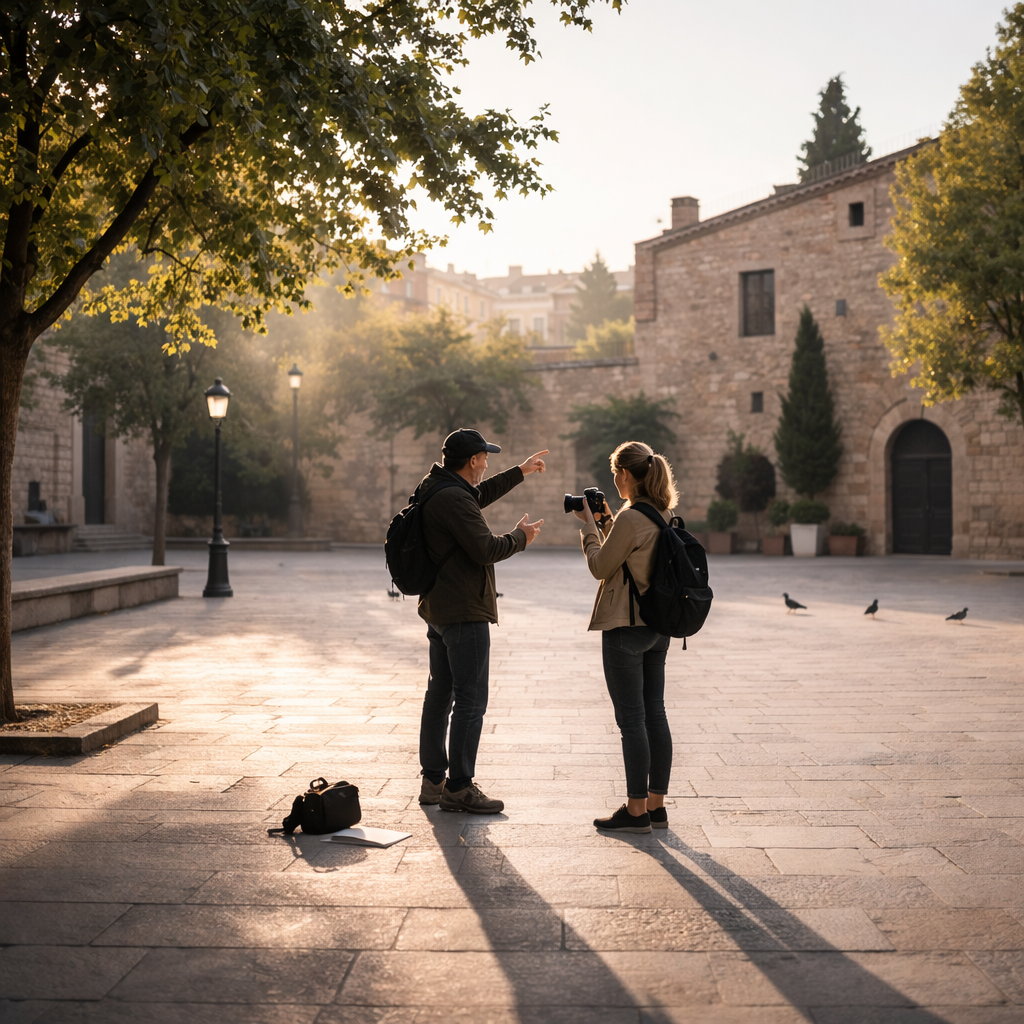
It tends to develop gradually, as you begin to recognise situations where light is already doing something interesting. At first, this may happen after the photograph is taken, when you look at the result and understand why it works. Over time, that recognition starts to happen earlier, while you are still observing the scene.
This is also something we emphasise a lot during our sessions, and it is part of how we work: learning to recognise these moments in your own images.. You begin to anticipate how a subject might look depending on where you stand, how much of it will remain visible, or how the overall image might feel. The photograph is not yet there, but it is already taking shape.
Seeing light more clearly changes the kind of photographs you make
At that point, light is no longer something you react to occasionally, but something that informs the way you work from the beginning.
It influences your decisions before the photograph exists, and it continues to shape it as you refine it. The result is not necessarily more complex images, but more intentional ones.
This is the kind of understanding we try to develop in our workshops. Not an abstract knowledge of light, but a way of working with it that allows the photograph to feel more complete, more precise, and ultimately more meaningful.
Where workshops take place
Pentaprisma workshops are currently offered in the following cities where outdoor environments allow calm observation and practical learning.
Barcelona
Workshops in Barcelona take place in walkable areas that allow steady practice and attentive observation. The city’s rhythm supports a balanced approach between structure and creative exploration.
Gran Canaria
In Gran Canaria, workshops benefit from consistent light and open environments. The island offers calm, accessible spaces ideal for focused practice and gradual understanding.
Madrid
Madrid provides varied urban scenes, strong geometry, and changing light. Workshops here focus on building clarity while working in dynamic but accessible environments.
Berlin
Berlin offers layered spaces, texture, and seasonal light that invite careful observation. Workshops are designed to use the city’s character as a framework for structured learning.