
Technique in photography: how to use your camera with confidence
Learning to use a camera can feel overwhelming at first. Here, we explain how we approach technique at Pentaprisma: understanding it not as a set of controls, but as a way to shape the image with intention.
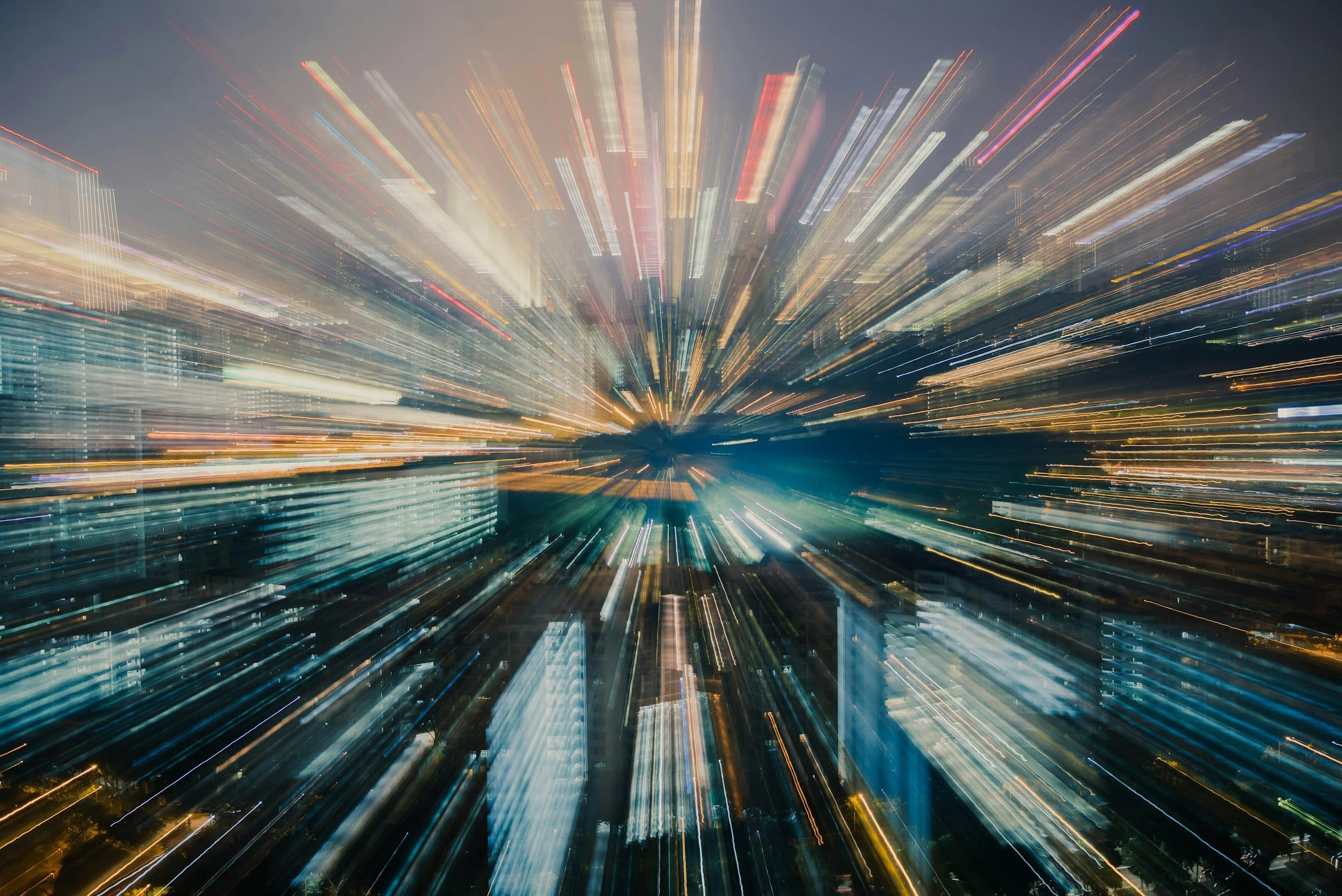
Technique is necessary, but not the goal
It is difficult to make a photograph without some degree of technical control.
The image needs to be exposed correctly, the subject needs to be in focus, and the camera has to respond in a predictable way. In that sense, technique is not optional. It is part of the process, and without it, the photograph simply does not hold.
At the same time, it is rarely what gives the image its value. A photograph can be technically correct and still feel empty, while another with minor imperfections can feel much more complete. That difference tends to have less to do with the camera and more with how the image has been built.
This is why we tend to think of technique less as an objective in itself and more as a way of making the photograph possible. In our workshops, this distinction is important from the beginning, and it is part of how we work. Technique is something that needs to be understood, but it is not where the process starts or where it ends.
Most people start with the camera, but that is not where clarity comes from
For many people, the first contact with photography comes through the camera itself.
A new camera usually brings a mix of curiosity and frustration. There are many buttons, many settings, and a constant sense that something important is being missed. It is natural to try to understand everything at once, as if clarity depended on mastering the device.
In practice, that approach often leads in the opposite direction. The more attention is placed on the camera, the easier it is to lose sight of what the photograph actually needs.
This is something we encounter frequently during our sessions. The intention is there, but it becomes diluted between options, modes and adjustments that are not always connected to what is happening in front of the lens. The image is no longer the centre of attention; the camera is.
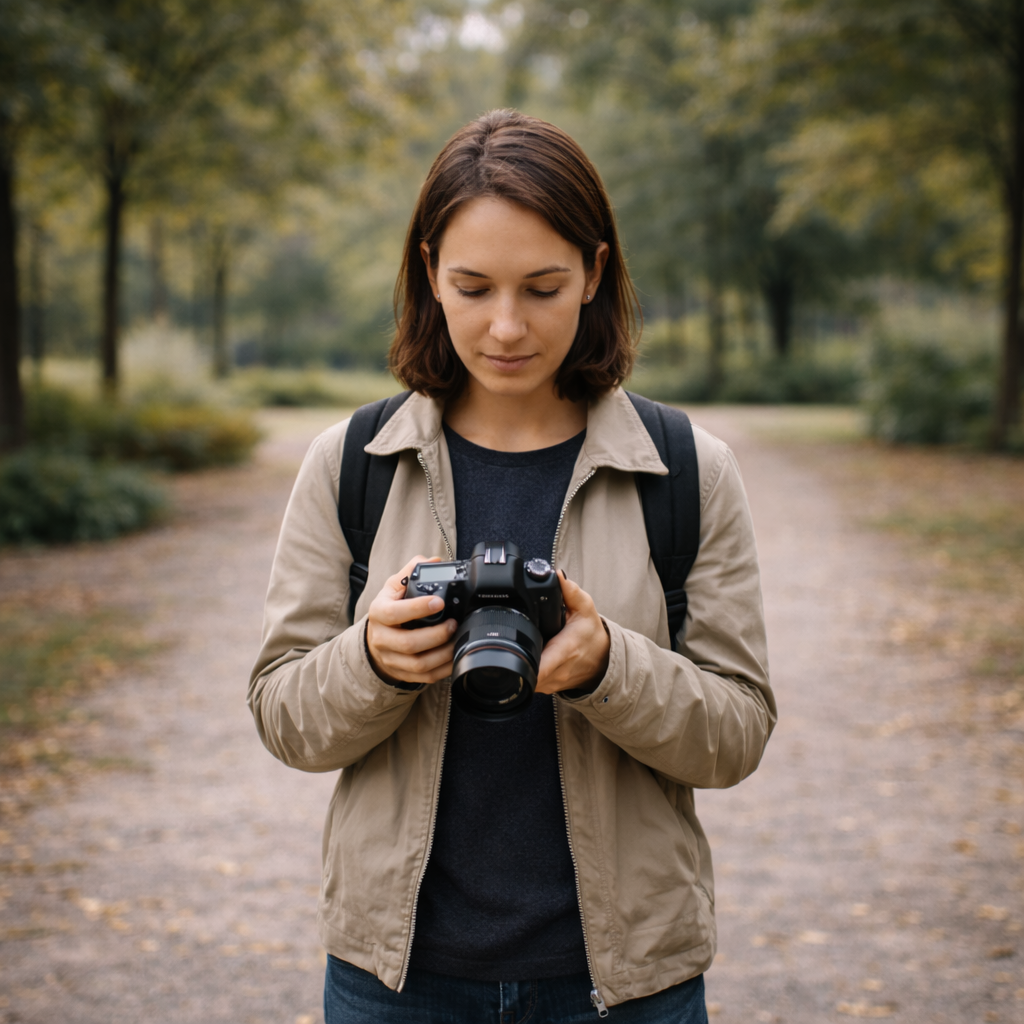
Exposure is the foundation of technical control
If there is one place where technique becomes essential, it is exposure.
At a basic level, exposure determines how light is translated into the image. Too much light, and the photograph loses detail; too little, and parts of the scene become unreadable. Finding a balance is necessary, but understanding how that balance is achieved is what gives you control.
This is usually explained through three elements: aperture, shutter speed and ISO. Rather than treating them as isolated settings, it is more useful to understand them as interconnected decisions. Changing one affects the others, and each choice carries consequences that go beyond exposure itself.
Once this relationship becomes clearer, the camera stops feeling unpredictable. You begin to anticipate how it will respond, and that alone tends to reduce a large part of the initial confusion.
Manual control is not about complexity, but about intention
For that reason, working in manual mode is not so much about increasing difficulty as it is about gaining clarity.
Automatic modes can produce acceptable results, and in many situations they are sufficient. But they also make decisions on your behalf, which limits your ability to shape the image according to what you are trying to do.
Manual control introduces a more direct link between what you see and what you decide. It does not require mastering every parameter, but it does encourage you to understand how your choices affect the result.
In our workshops, this is often the moment when the camera starts to feel less like a barrier. Not because everything is under control, but because the relationship with it becomes more intentional.
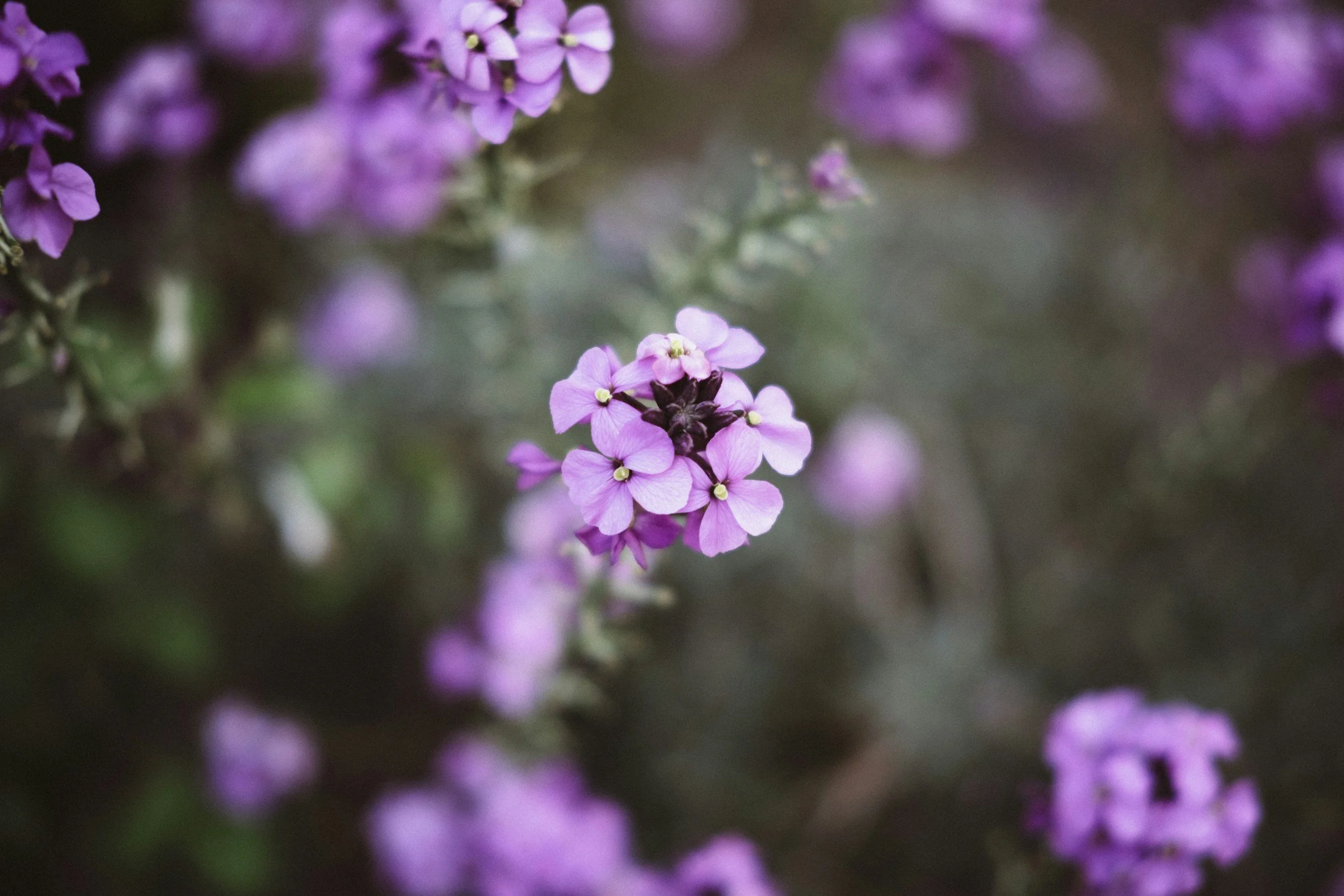
Depth of field and motion are creative decisions
Once exposure is understood in a more connected way, other aspects of the image begin to fall into place.
Aperture, for instance, does not only regulate light. It also determines how much of the scene appears in focus. A wide aperture can isolate a subject, while a narrower one can bring more elements into clarity. Each option leads to a different way of structuring the image.
Something similar happens with shutter speed. A fast speed can freeze movement, making the image more precise, while a slower one can introduce blur, suggesting motion or the passage of time.
These are not purely technical adjustments. They are ways of shaping how the photograph is perceived, and they become more intuitive once they are understood in relation to the image rather than as abstract settings.
The lens you choose changes how the world looks
Another aspect that gradually becomes more relevant is the lens.
Different focal lengths do not simply change how close you are to the subject. They alter how space is represented. A wider lens can exaggerate distance and create a stronger sense of depth, while a longer one can compress the scene, bringing elements visually closer together.
This affects proportions, the behaviour of lines, and the overall structure of the image. The choice of lens is therefore not only practical, but also expressive.
It is one of the areas where technique most clearly influences how the photograph is read.
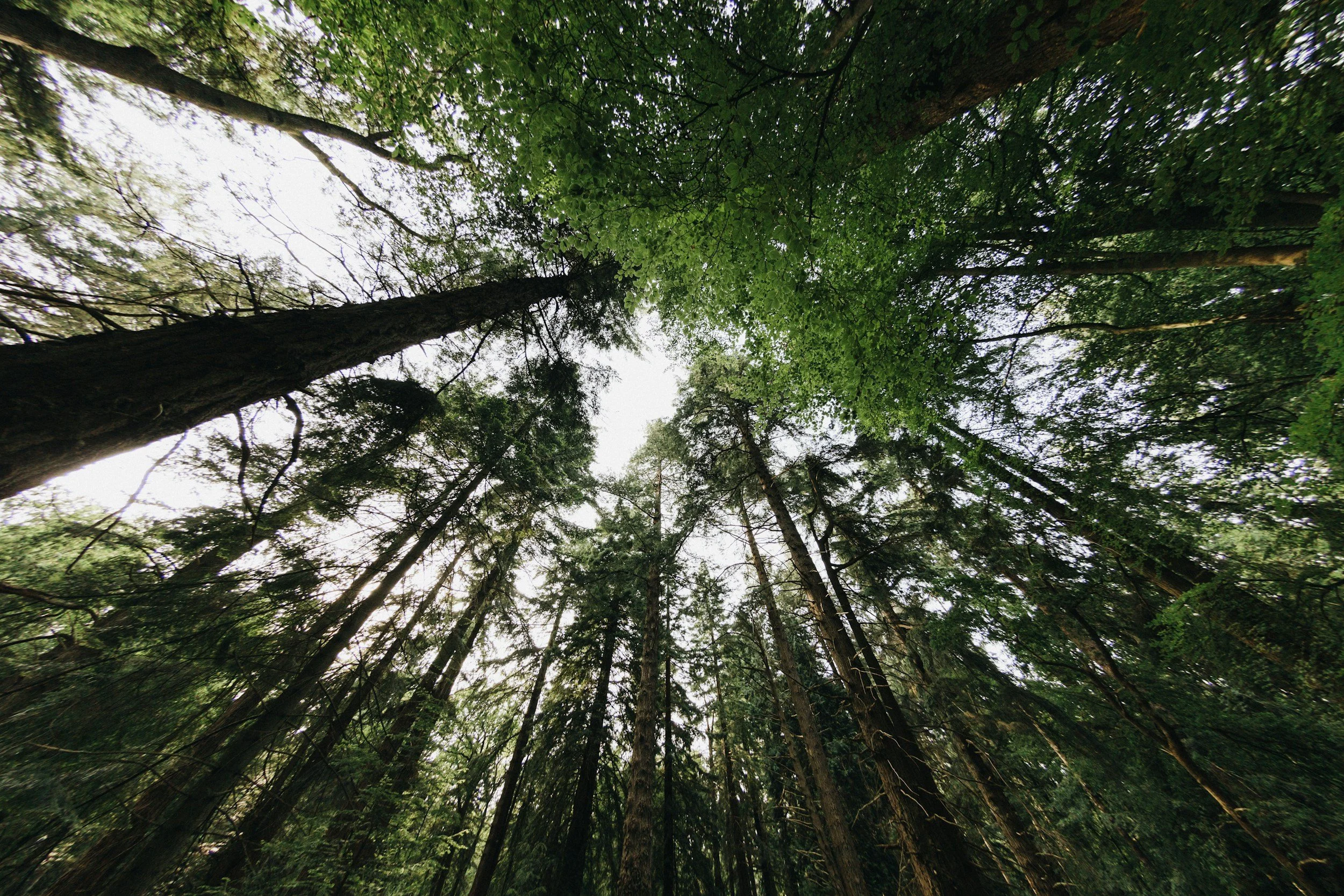
Technique becomes meaningful when it serves the image
As these elements begin to connect, technique starts to feel less like a set of isolated controls.
What matters is not whether a photograph is taken at a certain aperture or shutter speed, but whether those choices support what the image is trying to do. The same setting can be appropriate in one situation and ineffective in another, depending on the intention behind the photograph.
This is also where technique naturally aligns with composition and light. It does not operate separately, but reinforces decisions that are already shaping the image.
A clearer understanding of technique changes how you use the camera
Over time, the relationship with the camera tends to change.
Instead of reacting to what the camera suggests, you begin to anticipate how it will respond. Adjustments become more deliberate, and the process feels less interrupted by technical uncertainty.
This does not mean that everything is fully controlled, but that the camera is no longer in the way. It becomes a tool that responds to your decisions, rather than something that needs to be constantly managed.
This is ultimately what we aim to develop in our workshops: a level of understanding that allows you to use the camera with confidence, without it taking attention away from the photograph itself.
Where workshops take place
Pentaprisma workshops are currently offered in the following cities where outdoor environments allow calm observation and practical learning.
Barcelona
Workshops in Barcelona take place in walkable areas that allow steady practice and attentive observation. The city’s rhythm supports a balanced approach between structure and creative exploration.
Gran Canaria
In Gran Canaria, workshops benefit from consistent light and open environments. The island offers calm, accessible spaces ideal for focused practice and gradual understanding.
Madrid
Madrid provides varied urban scenes, strong geometry, and changing light. Workshops here focus on building clarity while working in dynamic but accessible environments.
Berlin
Berlin offers layered spaces, texture, and seasonal light that invite careful observation. Workshops are designed to use the city’s character as a framework for structured learning.