Why photographers take many photos before choosing the right one
Many beginners hear the word editing and think immediately of software. They imagine Lightroom, colour adjustments, contrast or cropping. But editing in photography begins much earlier than that. It begins the moment a photographer decides what deserves attention. Out of everything that exists in front of the camera, one thing is selected and the rest is left aside. In that sense, photography is already a form of editing from the start. Understanding that changes the way many people think about what happens when a picture is taken.
Editing begins before the photograph is finished
Every photograph is already a selection.
The photographer chooses where to look, what to include, what to leave out, when to press the shutter and how closely to stay with the scene. All of these are editing decisions, even if they do not yet look like editing in the usual sense of the word.
This is important because it shows that editing is not only something that happens afterwards on a screen. It is part of the whole process of photographing.
In Pentaprisma, this broader sense of editing matters from the beginning. A photograph is not only made by capturing reality, but by shaping it through attention and choice.
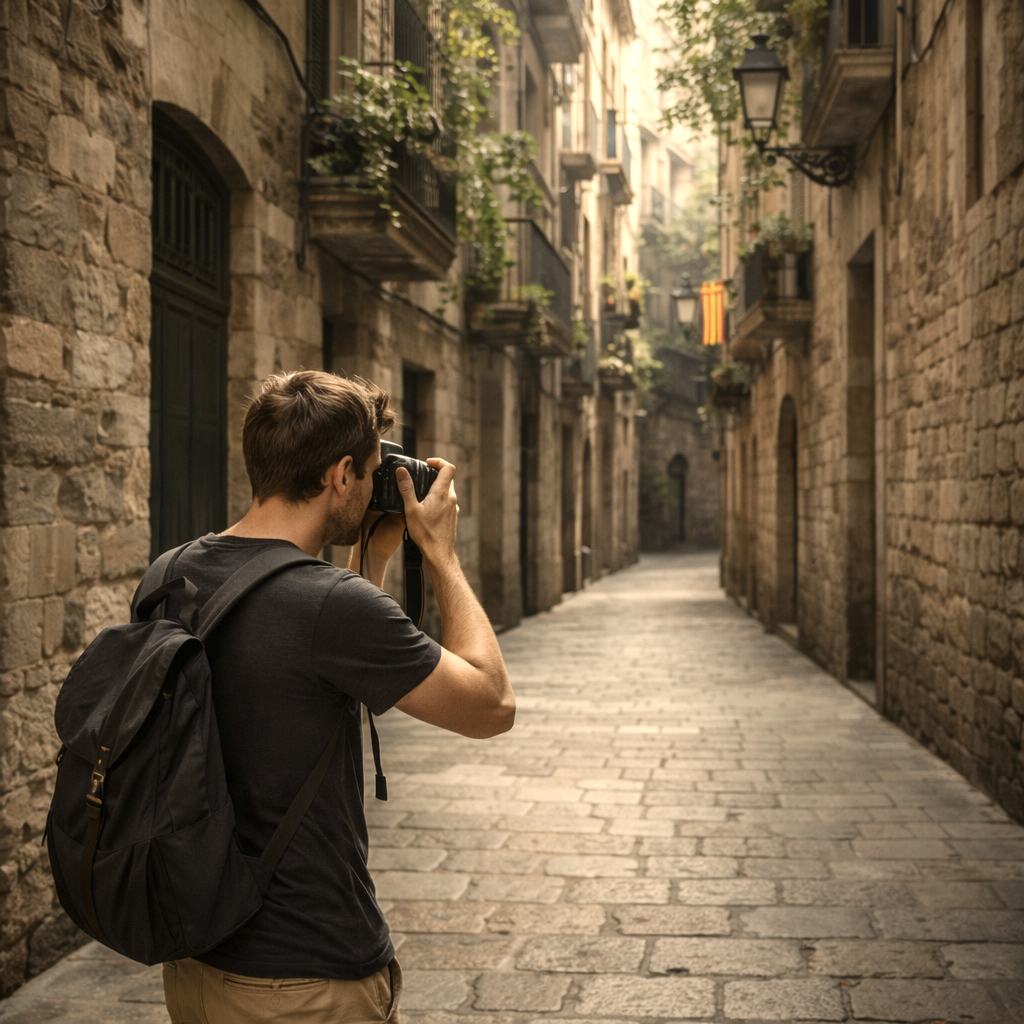
The editing process begins when attention chooses what deserves to be photographed.
Why photographers often take many images of the same scene
This is also why photographers often make several images before deciding which one works best.
At first, this can seem unnecessary. If the subject is already there and a photograph has already been taken, why continue? But the point is not repetition for its own sake. The point is to create the possibility of comparison.
A small change in distance, framing or timing can alter the strength of a photograph more than expected. Two images may seem almost identical, yet one may feel clearer, calmer or more precise than the other.
Taking several photographs is not the opposite of editing. It is part of it.
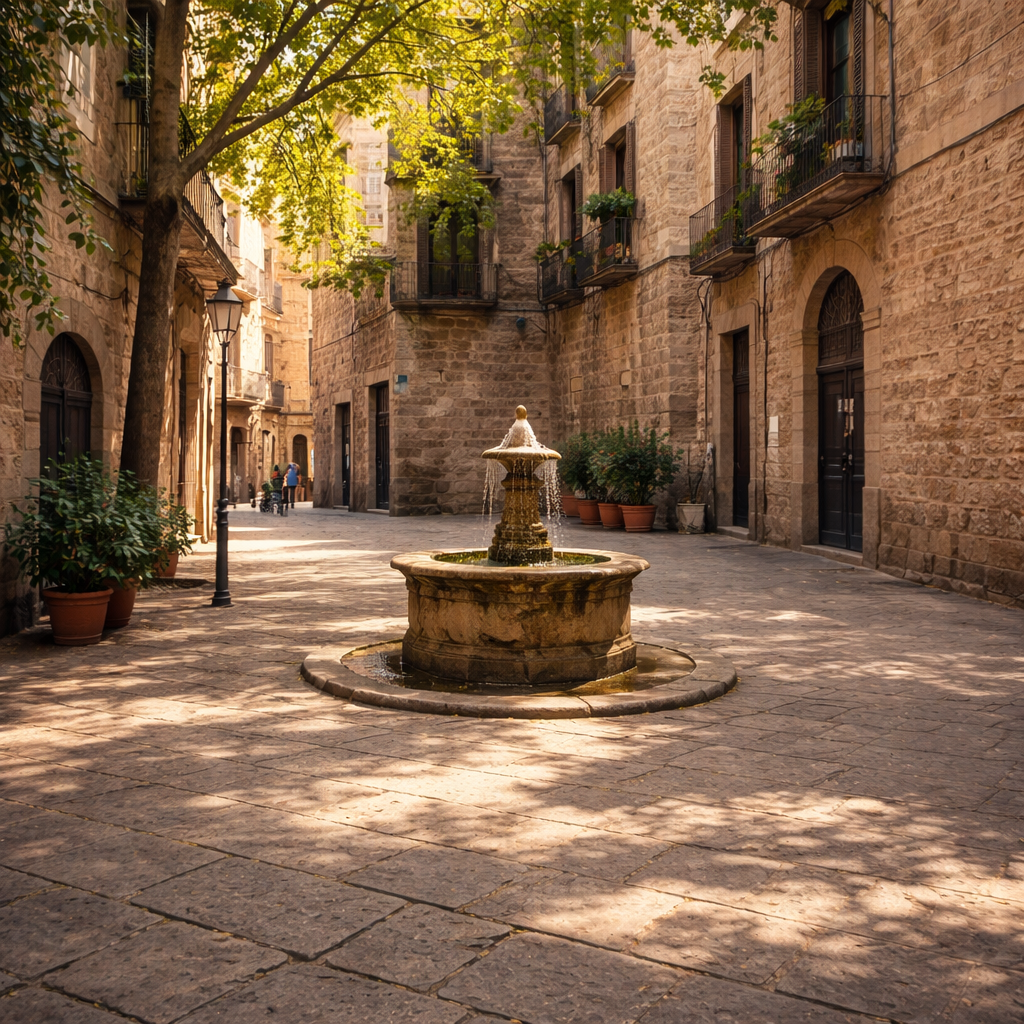
Making one version of the scene is often only the beginning of the selection process.
What beginners often discover surprisingly early
One of the most interesting things in the Pentaprisma approach is that this kind of recognition appears very early.
A person may not yet know much about composition, light or technique, and still be able to recognise that one photograph works better than another. They may not always be able to explain why, but they can often feel the difference. One image seems stronger. Another feels weaker. A third feels closer to what they were trying to do.
That matters because it shows that editing is not only technical knowledge. It is also a first form of photographic judgement.
In the Pentaprisma method, photographs are made, looked at, compared and discussed. That is why editing is not treated as a later stage, but as something that is already present throughout the process.
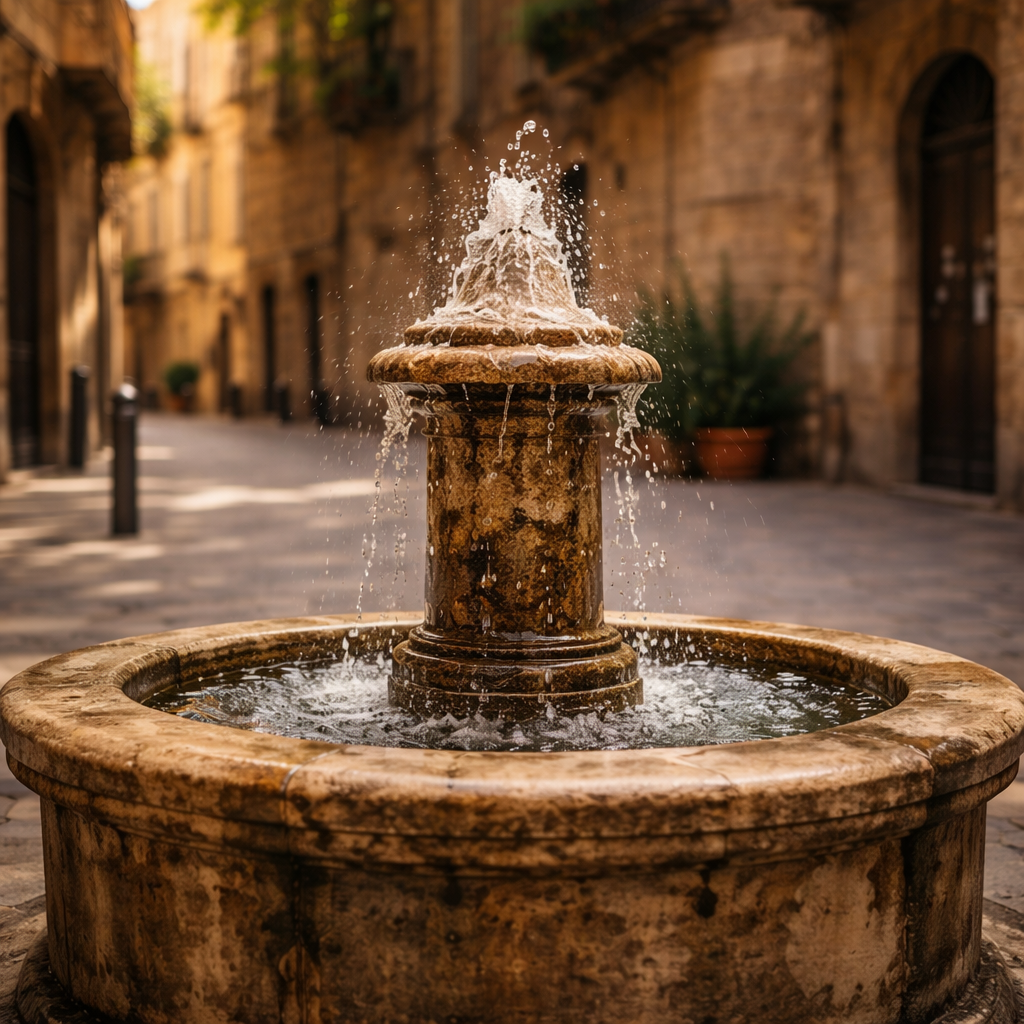
Producing several images creates the possibility of comparison, not just repetition.
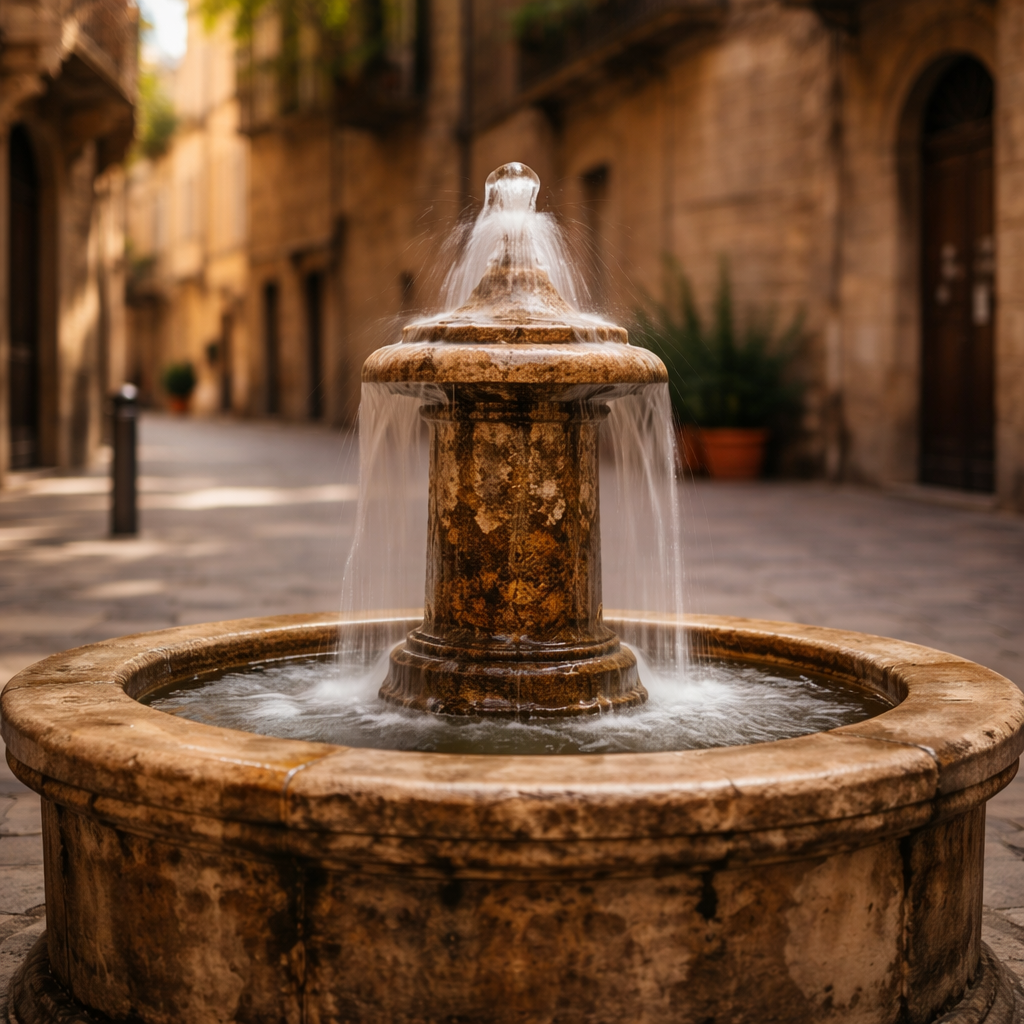
Editing also means recognising which variation carries the intention more clearly.
Seeing photography as a continuous act of selection
Once this becomes clear, photography starts to look different.
The photographer is not only someone who records what is there. They are constantly selecting, excluding, comparing and deciding. They edit when they choose a subject. They edit when they frame it. They edit when they make several versions. And they edit again when they decide which image deserves to remain.
Seen this way, taking many photographs before choosing the right one is not a sign of confusion. It is often the visible part of a deeper process that was already there from the beginning.
Photography does not only produce images. It also reveals, step by step, how much seeing depends on choosing.
Pentaprisma Workshops are offered in selected locations.
Barcelona · Gran Canaria · Madrid · Berlin