How real-time feedback changes the way you learn photography
The right comment matters most when it arrives at the right moment. Photography often becomes harder to understand when the image is only reviewed later, after the light, the subject and the background have already changed. But when feedback happens while the photographs are still fresh, the image begins to make sense in a different way.
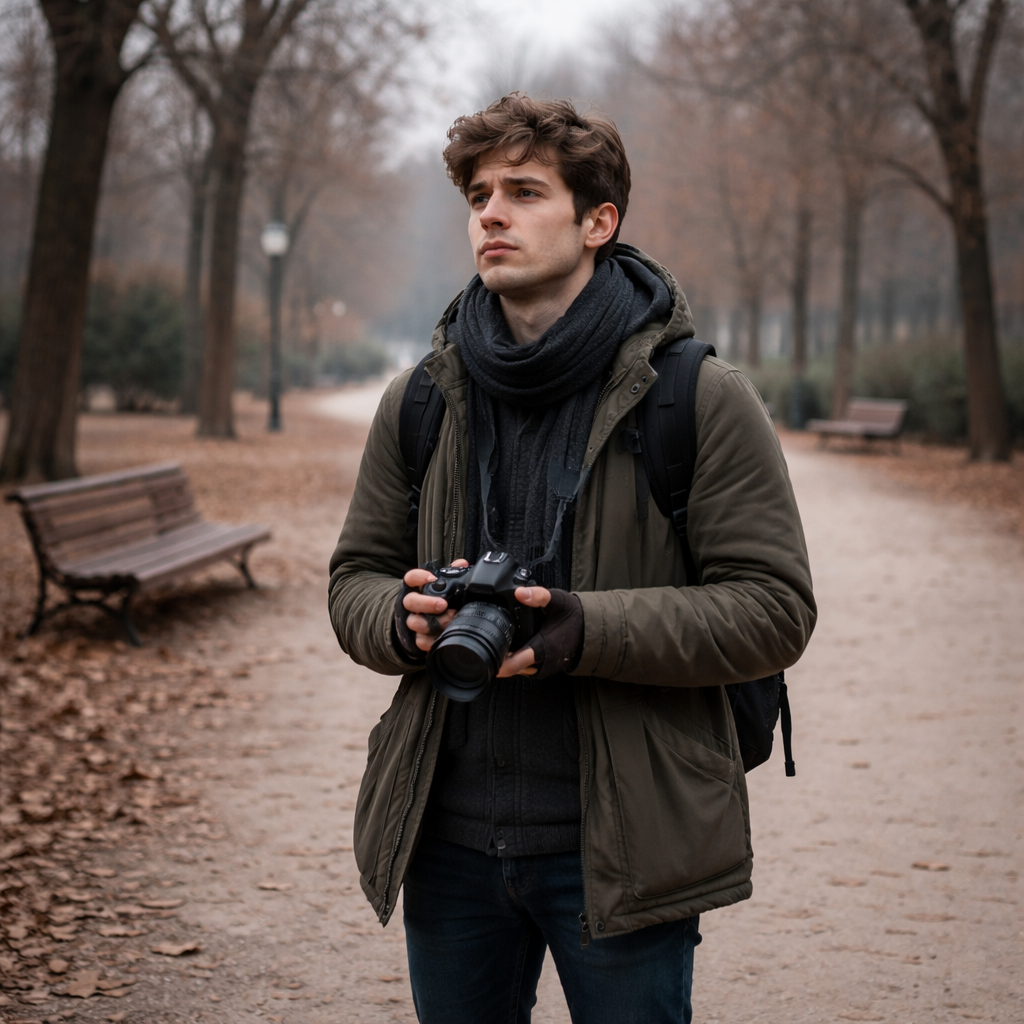
Photographing alone often means noticing that something is wrong without yet knowing how to fix it.
Why information often fails to change the next photograph
Photography advice is easy to collect. Tutorials explain composition, framing, exposure or background. The problem is that information does not always change behaviour on its own.
A beginner may understand an idea in general terms and still fail to apply it when standing in front of a real scene. The difficulty is not always knowledge. Very often, it is timing. By the time the photograph is reviewed later, the situation has disappeared. The light has changed, the subject has moved, the background is no longer there. The correction may be correct, but it arrives too late to become a concrete adjustment.
That is why feedback often feels clearer when it happens while the scene still exists.
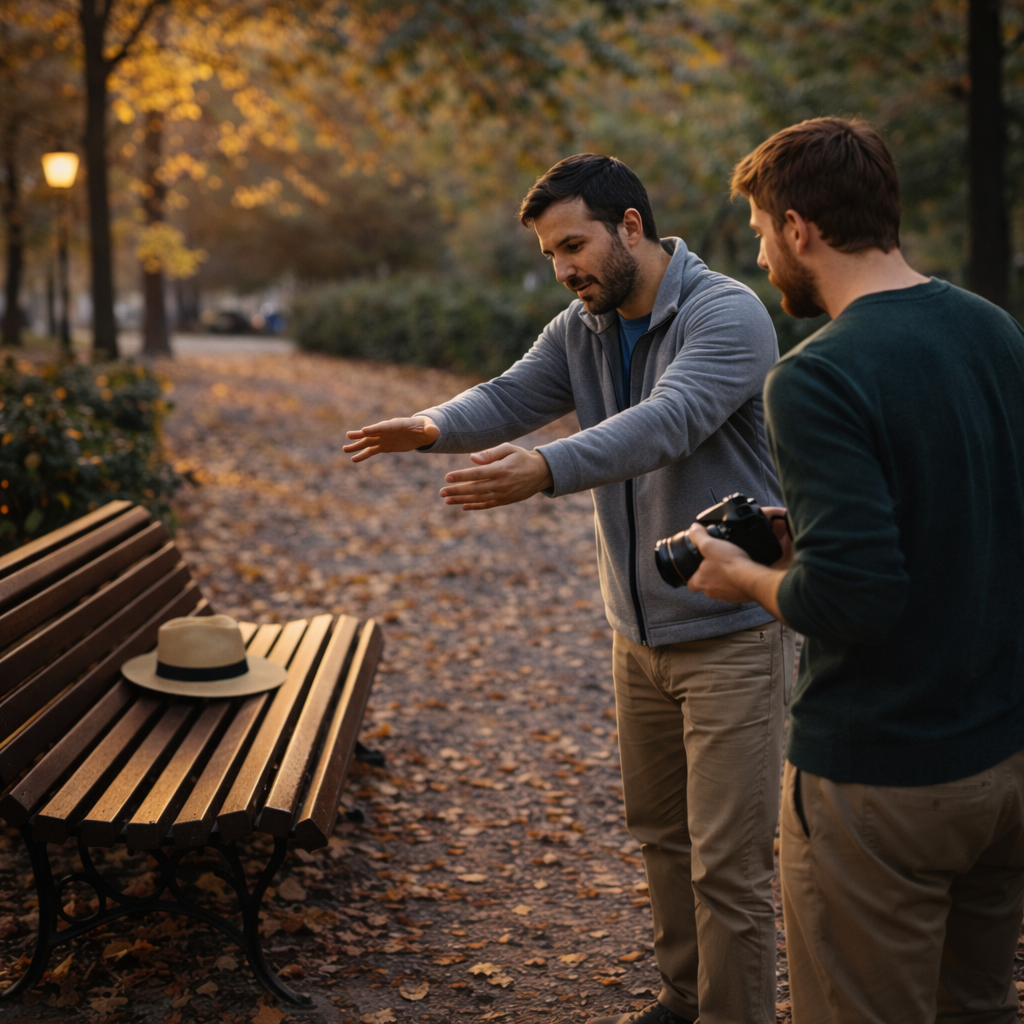
Real-time feedback helps the next photograph improve while the scene still exists.
What changes when the correction happens immediately
Real-time feedback does something very simple and very powerful. It connects the comment directly to a live situation.
Instead of hearing a general explanation about composition or background, the photographer hears something tied to what is still in front of them: move a little to the left, step closer, simplify the edge, give the subject more space, avoid that bright shape behind it. The adjustment is no longer abstract. It becomes visible at once.
This makes learning more immediate. The photographer does not have to imagine how the advice might apply in some future photograph. They can test it right there, while the same scene is still available.
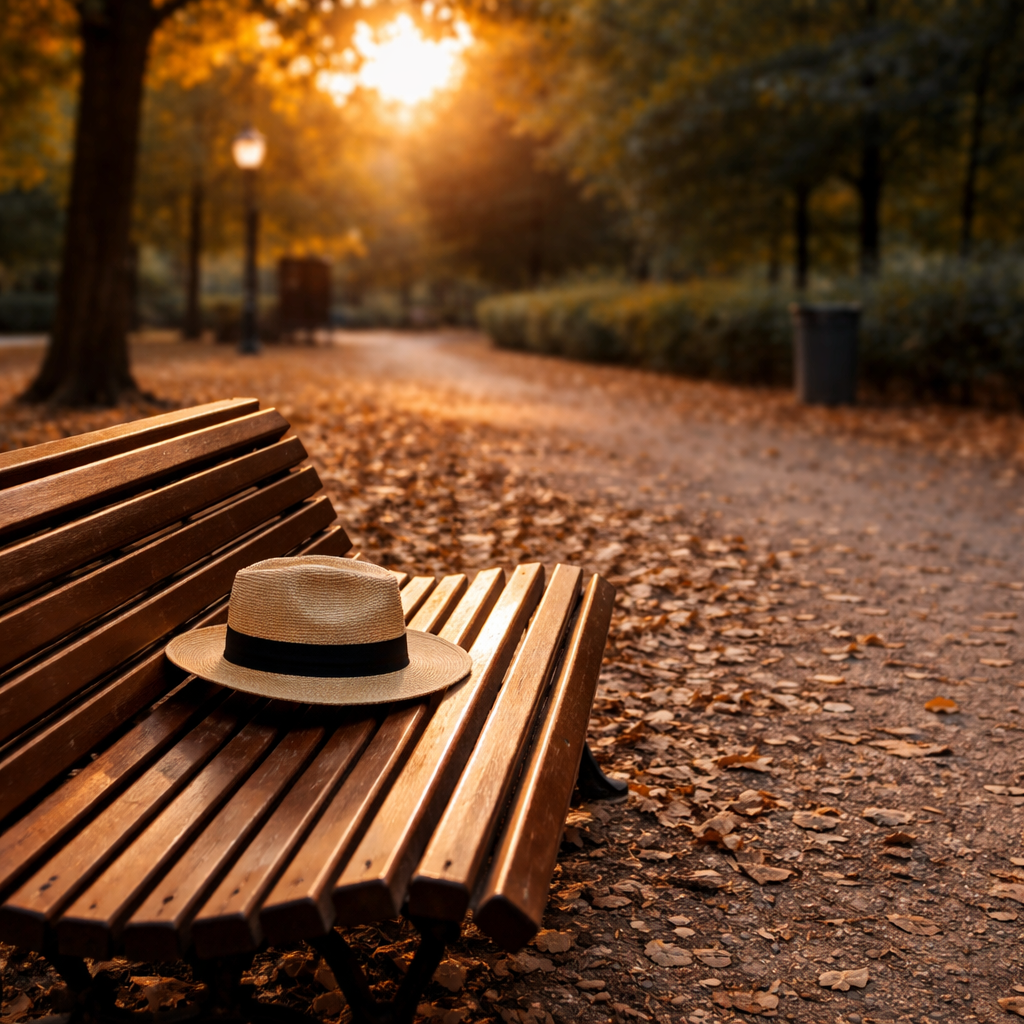
The first version already has potential, but the composition still weakens the photograph.
Why this leads to progress rather than just information
This difference matters because progress in photography often depends on very small avoided decisions.
A frame is slightly too crowded. The subject is not separated enough from the background. The point of view is close to working, but not yet clear. These are not huge mistakes. They are small missed decisions, and they are easy to overlook when photographing alone.
When someone points them out in real time, the learning becomes much more precise. The next photograph is no longer just another attempt. It is an informed variation. The photographer sees what changed, compares the result, and begins to understand not only that one image works better than another, but why.
In the Pentaprisma method, this is one reason why photographs are reviewed in short cycles while the session is still unfolding. A small number of images is enough to identify one or two useful problems, and those problems can then be worked on immediately in the next sequence. Questions of composition often become clearer in exactly this way: not through theory alone, but through quick correction applied to the same living scene.

A small correction in the moment can turn the same scene into a much stronger photograph.
Learning becomes measurable when the scene is still there
One of the strongest effects of real-time feedback is that improvement stops feeling accidental.
The photographer takes a first set of images. A problem is noticed. A specific adjustment is suggested. Then the photographer works again, under almost the same conditions, but with more intention. Because the scene is still there, the difference between the first attempt and the second can be seen clearly.
That is what makes this kind of correction so effective. It turns photography into a short cycle of action, reading and adjustment. And when that cycle repeats, learning no longer depends on vague impressions or delayed understanding. It becomes something visible, practical and much easier to trust.
Pentaprisma Workshops are offered in selected locations.
Barcelona · Gran Canaria · Madrid · Berlin