
Pentaprisma Articles
Learning photography is not only about information. It is about learning to recognise what is happening while you photograph. These articles explore how practice, observation and feedback gradually clarify photographic decisions and help photographers develop a more intentional way of seeing.
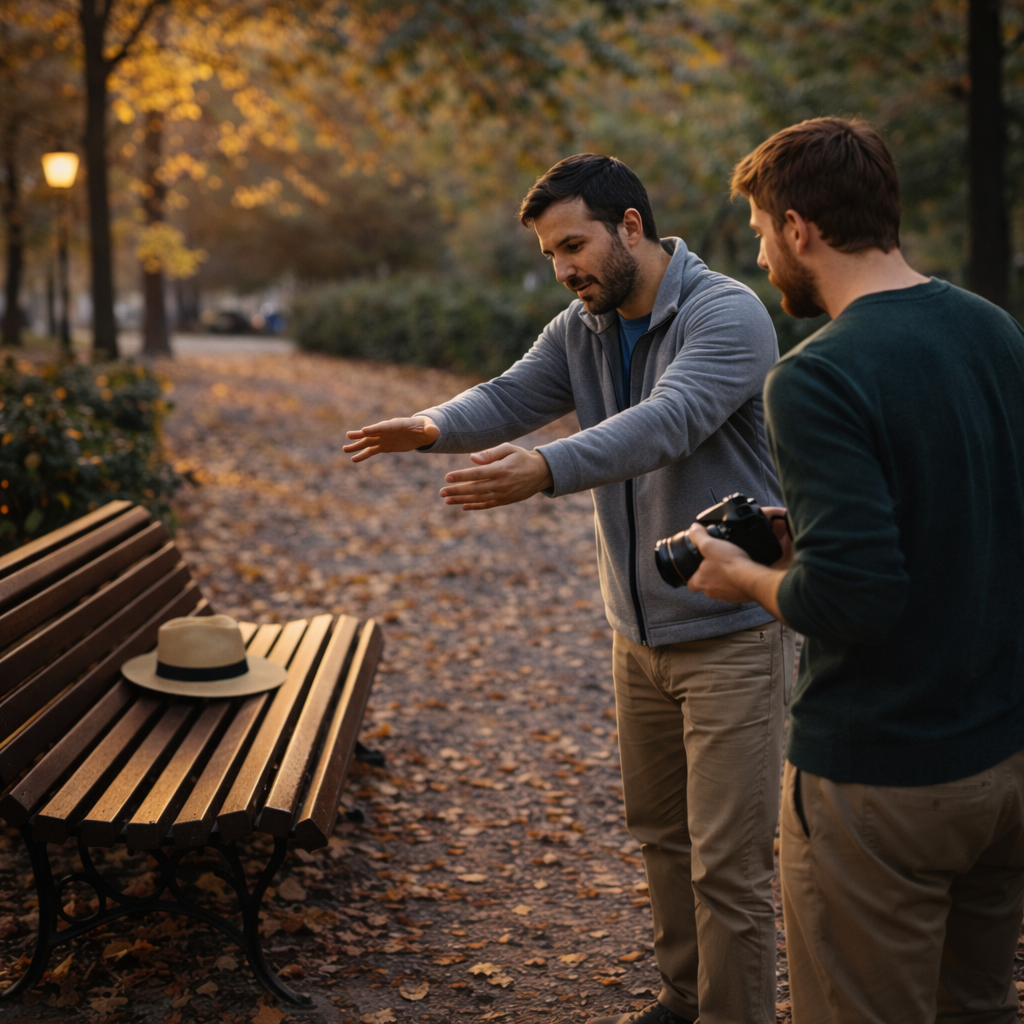
How real-time feedback changes the way you learn photography
The right comment matters most when it arrives at the right moment. When feedback comes while the photograph is still fresh and the scene still exists, something important becomes easier to see: not just that the image could be better, but how to change it.

Why photographers take many photos before choosing the right one
Many people hear the word editing and think immediately of software like Lightroom. But editing in photography does not only happen later, in front of a screen. It begins much earlier, and recognising that changes the way many photographers understand what they are actually doing when they make pictures.
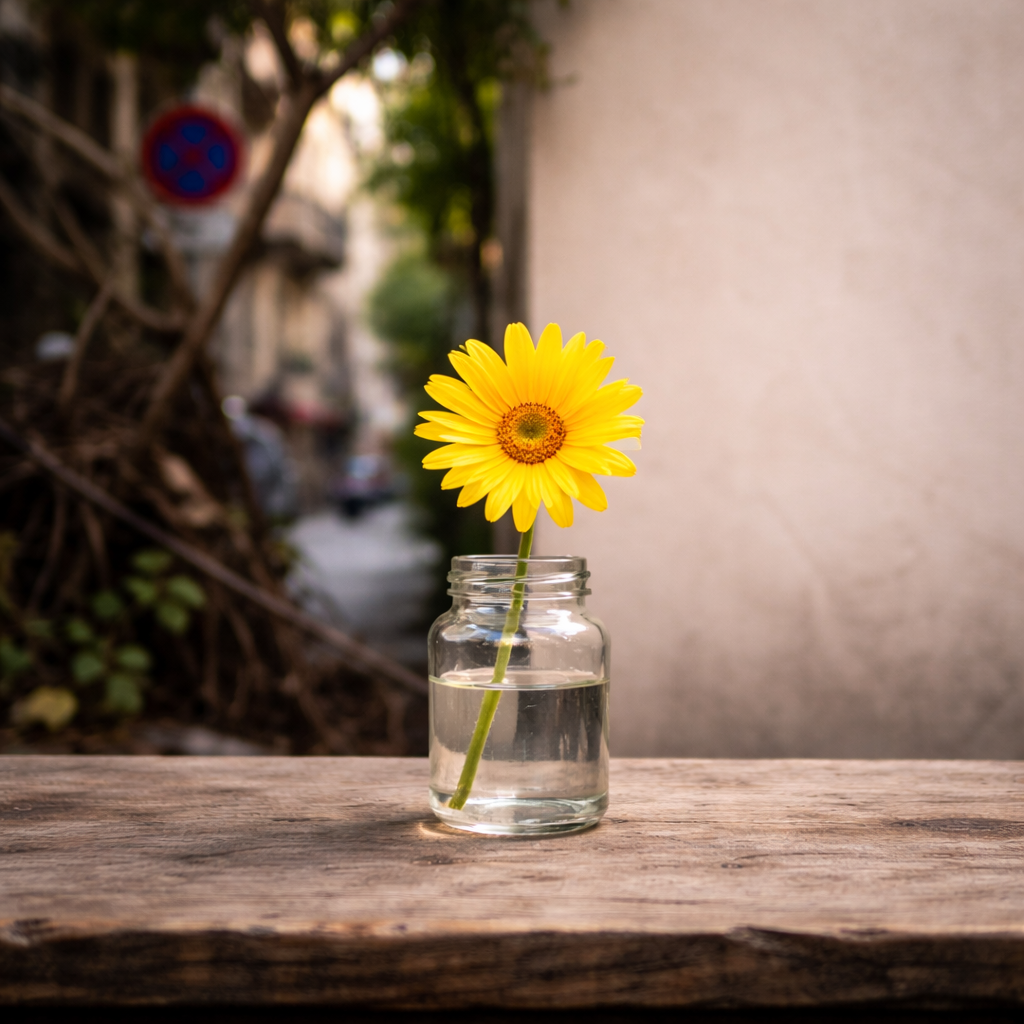
Why the background often ruins otherwise good photos
A photograph may have a strong subject and beautiful light, yet still feel messy or distracting. Very often the reason is not the main element but what appears behind it. Beginners rarely notice how much the background influences whether a photograph feels clear or confusing.
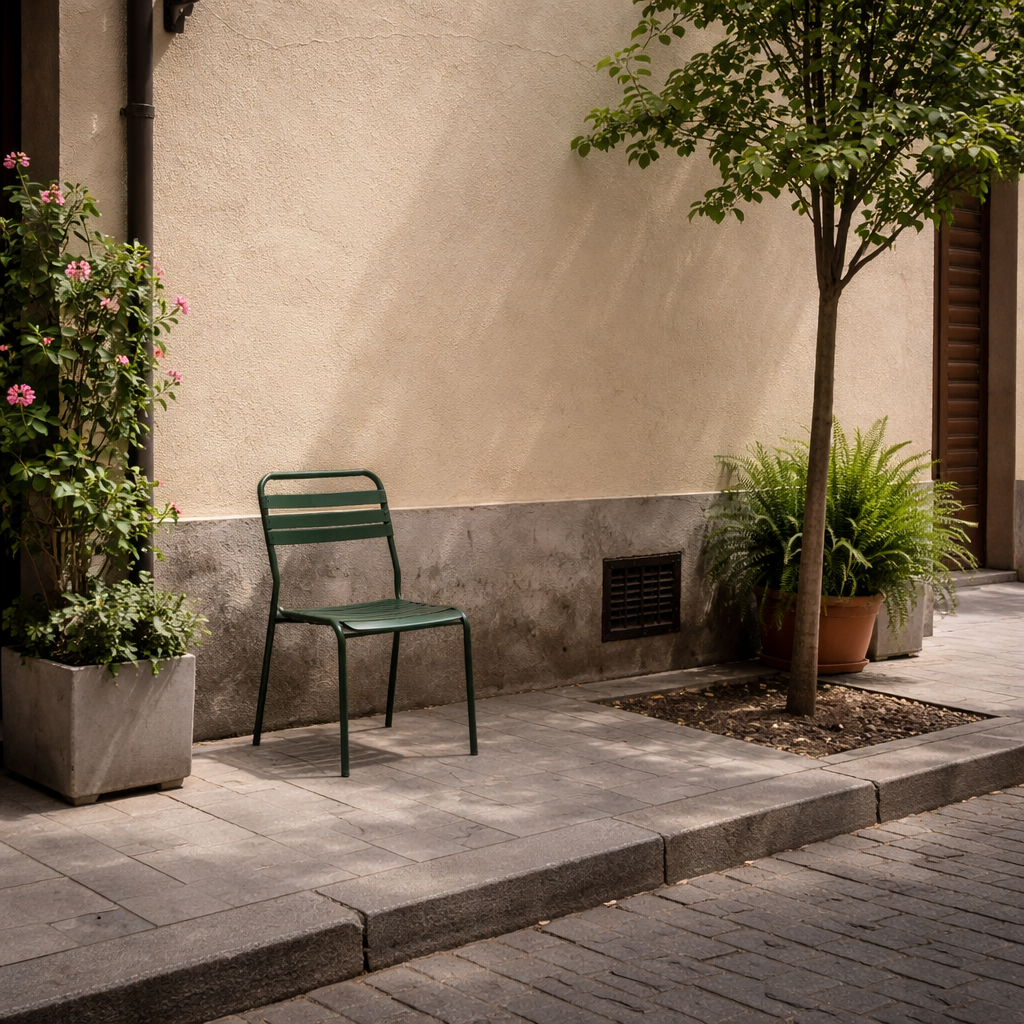
Why practicing in one location reveals more possibilities
Many beginners assume that better photographs will appear by walking further and finding new places. But when practice is limited to one small area, something different begins to happen: the search slows down, attention becomes more active, and the same scene starts to reveal more possibilities

How choosing the right place helps you start learning photography
Some people new to photography move quickly from place to place in search of interesting scenes. But learning does not only depend on what is photographed. It also depends on whether the place allows enough calm, attention and continuity for photographs to be made, reviewed and discussed properly.

Visual weight. Why some photos feel balanced and others don’t
Some photographs feel balanced and calm, while others seem confusing even when the subject is similar. Beginners often sense that difference immediately but struggle to explain it. What usually separates the two is not the subject itself, but how the visual elements are arranged inside the frame.
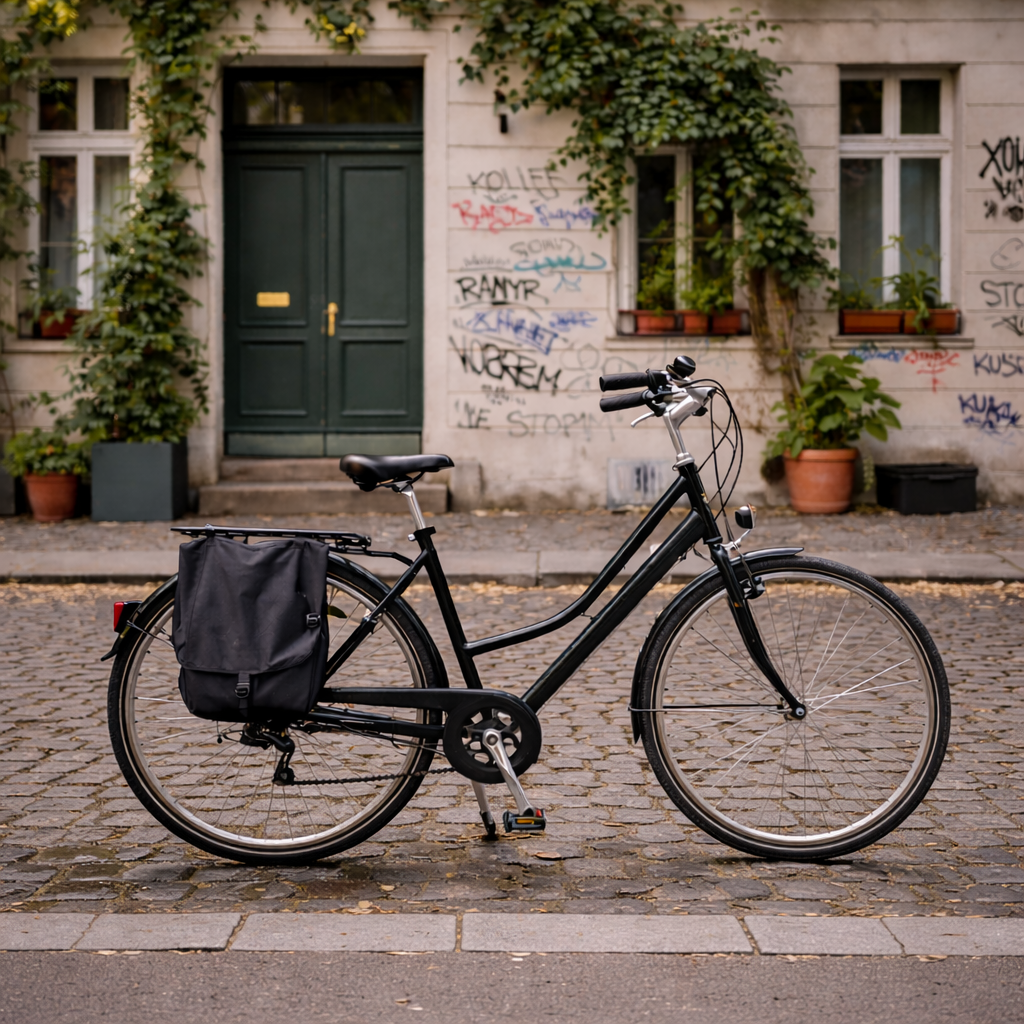
The simple exercise that reveals why your photos don’t work
Most people photograph by reacting quickly to what catches their attention. A door, a shadow, a person walking past. One or two pictures are taken, and then the photographer moves on. This habit often makes it difficult to see why the image still feels incomplete, even when the subject seemed promising.
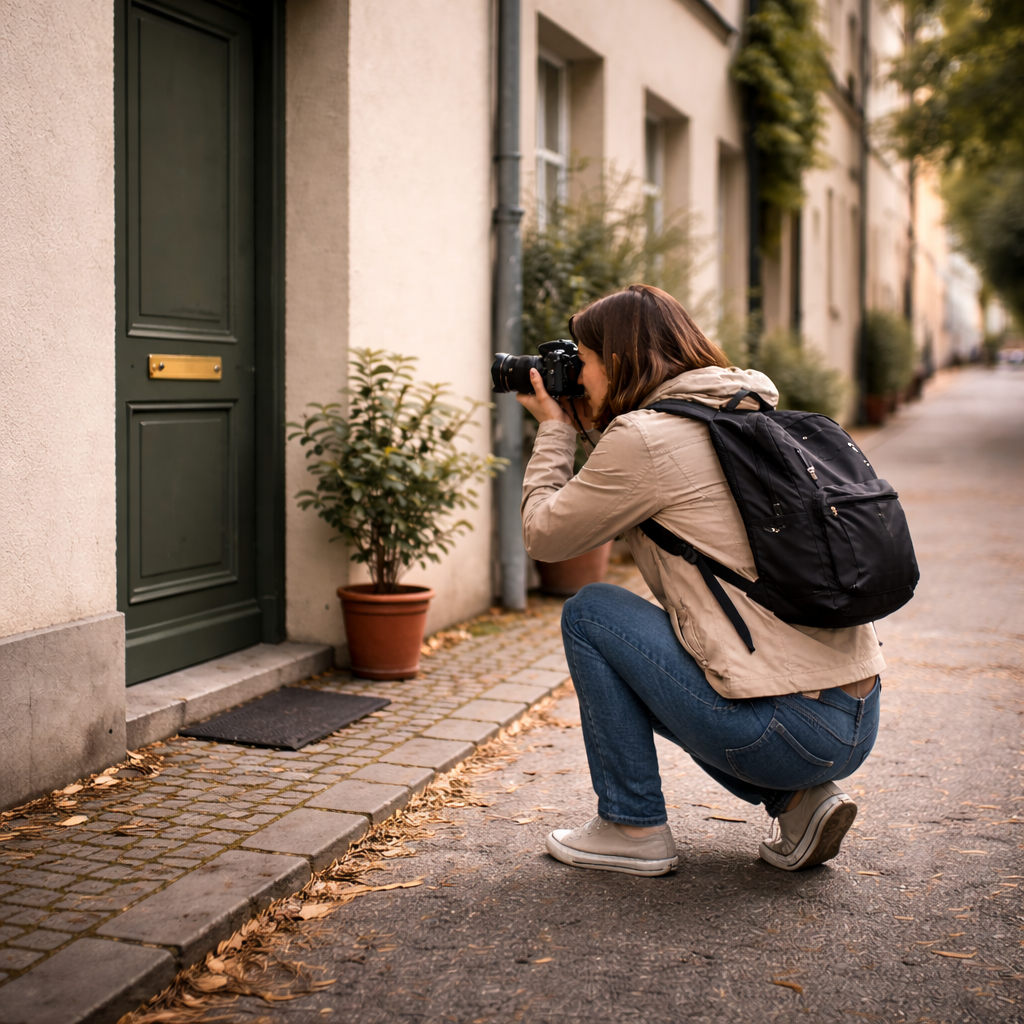
Why starting with practice helps beginners learn photography
Many beginners start learning photography through explanations about settings or composition. Yet when they finally go out to photograph, those ideas rarely translate into confident decisions. The result is a feeling of uncertainty about where to stand, what to include and why one image works better than another.
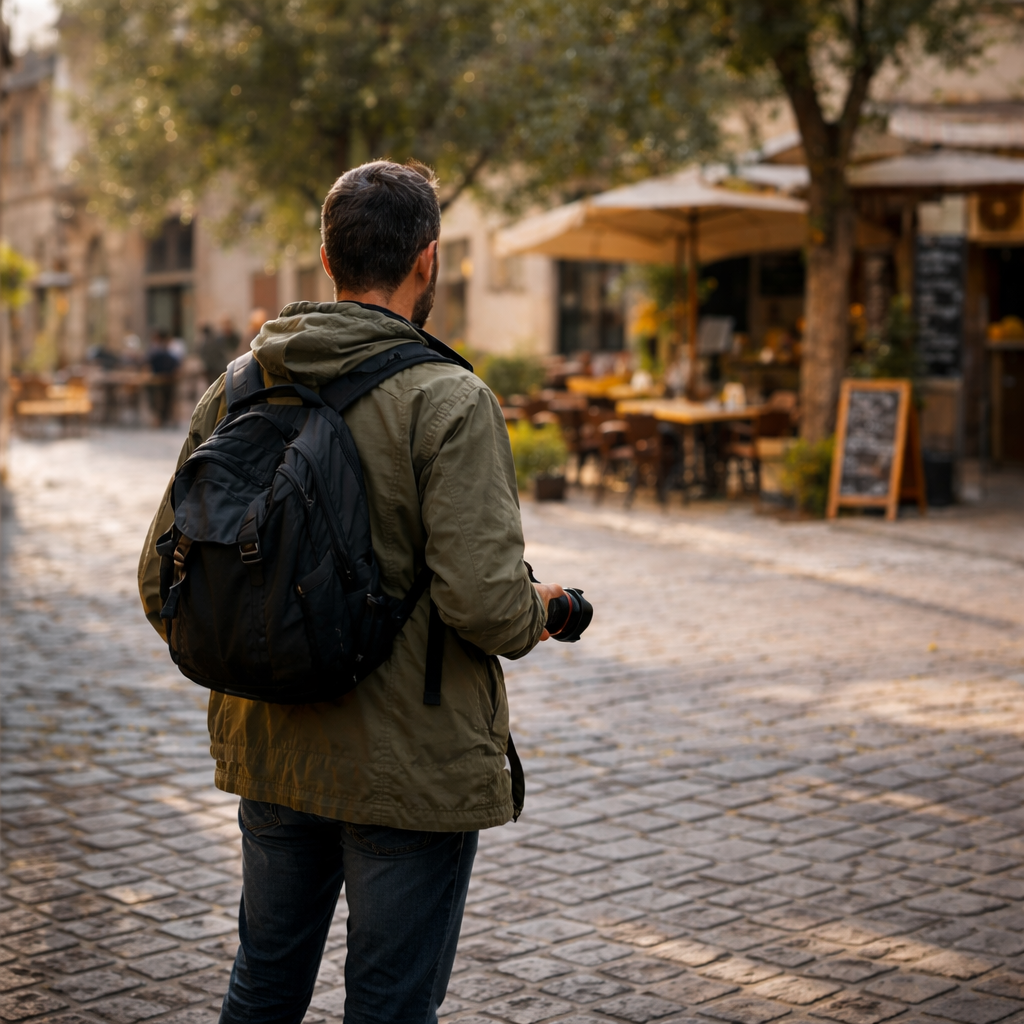
Why learning photography outdoors accelerates your progress
Many people try to learn photography through tutorials or videos. But photography becomes clearer outdoors, where light changes, situations evolve and photographs begin to feel alive. In that environment, the gap between theory and practice becomes much easier to recognise.